
Rekeying vs Changing Locks in NYC: How to Choose the Right Option
If you live or run a business in New York City, you will eventually face the decision of rekeying vs changing locks. Making the right choice affects not only security, but also how much you spend and how smoothly you comply with NYC’s tenant–landlord rules.
This guide explains the difference between rekeying and changing locks, when each option makes sense in NYC, typical price ranges, and how professional locksmiths like Mr. Locks support homeowners, renters, and businesses across the five boroughs.
What Does It Mean to Rekey a Lock?
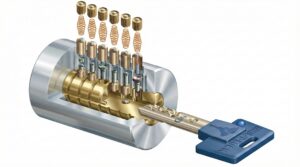
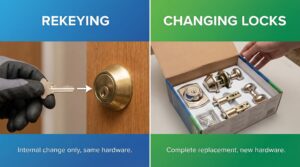
Rekeying means keeping your existing lock hardware but changing the internal pins (tumblers) inside the cylinder so the lock works with a new key and all old keys are disabled. During rekeying, a locksmith removes the cylinder, replaces the pins with a new configuration that matches a new key, and then reinstalls the lock so the door and hardware look the same.
In practice, rekeying is often the fastest and least expensive way to restore key control when the lock itself is still in good condition. Many NYC locksmiths can rekey standard residential cylinders in minutes per lock, making it a popular option after a move-in, key loss, or staff turnover in small businesses.
What Does It Mean to Change Locks?
Changing locks (lock replacement) means removing the entire existing lock and installing new hardware, which can include the cylinder, latch, deadbolt, handles, and any visible components on the door. Unlike rekeying, this gives you the chance to upgrade to a stronger lock, a different style, or a more advanced system such as a high-security or smart lock.
Because you are paying for new hardware plus labor, changing locks usually costs more than rekeying, but it is the better option when the lock is worn, damaged, low quality, or when you want a major security upgrade. In New York City, many property owners choose full replacement when upgrading to Grade 1 or Grade 2 high-security locks, keyless entry systems, or smart locks on main entry doors.
Rekeying vs Changing Locks at a Glance
The table below summarizes the main differences between rekeying vs changing locks for NYC properties.
Key Differences Between Rekeying and Changing Locks
| Factor | Rekeying | Changing locks |
|---|---|---|
| What changes | Internal pins in the existing cylinder. | Entire lock hardware is replaced. |
| Hardware cost | No new lock hardware, mainly labor and small parts. | New lock(s) plus labor, higher total cost. |
| Typical NYC use case | Move-in, lost keys, tenant/employee turnover. | Old, broken, cheap, or outdated locks; security upgrades. |
| Security effect | Restores key control but same lock grade. | Can significantly increase lock strength and features. |
| Aesthetics | Door and hardware look the same. | New appearance, style, and finish possible. |
| Time on-site | Usually quicker per lock. | May take longer, especially for complex hardware. |
When Rekeying Is the Better Choice in NYC
Rekeying is usually the smarter move when your locks are in good shape and the main concern is “who has a copy of the key,” not the physical strength of the lock. This applies to many everyday New York situations for homeowners, renters, and businesses.
For NYC Homeowners and Condo Owners
Rekeying is often ideal for owners who:
-
Just moved into a co‑op, condo, or townhouse and want to ensure old keys no longer work.
-
Recently gave keys to contractors, cleaners, or dog walkers and now want to limit access again.
-
Want to set up a “one-key” system so several locks (front door, back door, garage, etc.) operate on a single key, as long as the locks are compatible.
Because NYC properties often have multiple cylinders on the same door (deadbolt plus latch), rekeying all to the same key is usually cheaper than replacing each lock with new hardware.
For Renters in New York City
Most landlords in New York are not legally required to change locks between tenants, though many will at least rekey for security. As a renter, you can usually request a lock change or rekey if you have a legitimate safety concern, but unless the lease or building policy says otherwise, the landlord does not have to upgrade every time you ask.
NYC’s Housing Maintenance Code requires that entrance doors and apartment doors have working, self-locking hardware; if the lock is faulty or unsafe, the landlord must repair or replace it promptly. When the lock is still functional and the issue is simply who might have keys, many landlords choose to rekey rather than install entirely new hardware.

For NYC Businesses and Offices
For small businesses, retail stores, and offices, rekeying is often the go‑to option:
-
After an employee leaves or is terminated, especially if keys were not returned.
-
When granting or revoking access in a master-key system, such as giving managers a higher-level key.
-
When relocating into an existing commercial space and keeping the same door hardware but needing full control over keys.
Rekeying commercial cylinders can be done on grade-rated locks and many high-security systems when the manufacturer supports it, which helps businesses maintain strong hardware while updating key access.
When Changing Locks Is the Better Choice in NYC
Changing locks makes more sense when there is a clear need for better hardware, new features, or a different type of lock entirely. This is common in older NYC buildings and in properties that have experienced break-ins or ongoing security issues.
When Your Locks Are Old, Worn, or Damaged
If a lock is sticking, loose, visibly damaged after a break-in, or simply outdated compared with current security standards, replacement is the safer choice. After a burglary, New York courts generally expect landlords to repair or replace broken locks so the apartment remains habitable and safe under the warranty of habitability.
Older cylindrical or mortise locks in prewar NYC buildings may not meet modern security expectations, so upgrading to a stronger, pick‑resistant deadbolt or high-security lock is often recommended instead of just rekeying.
When You Want a Security Upgrade
Changing locks is the right move if you want to:
-
Upgrade to Grade 1 or Grade 2 high-security locks that resist drilling, picking, and bumping.
-
Switch to keyless entry, keypad locks, or smart locks you can control with an app.
-
Standardize hardware across a building with better fire ratings, ADA-compliant levers, or commercial-grade exit devices.
Mr. Locks, for example, offers high-security locks and key-cutting services in NYC and can replace older door locks with new high-security hardware from leading brands. This kind of full replacement is ideal when you want both stronger hardware and fresh keys.
When You Need a Different Lock Type
Sometimes the existing lock simply is not the right type for the door or security level:
-
Replacing a knob lock with a proper deadbolt on a front door.
-
Installing a jimmy-proof deadlock or top guard commonly used on NYC apartment doors.
-
Swapping a basic cylinder for an electronic or smart lock on a condo entry.
In these scenarios, rekeying cannot change the lock’s fundamental design or grade, so full replacement is the only practical option.
Cost Comparison in the New York City Area
Prices vary by borough, time of day, lock type, and the specific locksmith, but some clear patterns show up in NYC. Understanding how rekeying vs changing locks is priced helps you plan realistically.
Typical Rekeying Costs in NYC
One NYC-focused guide notes that rekeying is generally the budget-friendly option, with costs influenced by lock type and the number of locks, plus a service fee. In New York City, some locksmiths list rekey service starting around 145 dollars and up, often plus a service call fee depending on time and location.
Another NYC locksmith explains that rekeying can cost roughly 50–150 dollars per lock in the city, with complexity and lock quality affecting final pricing. Many companies use a structure of a service call (for travel and diagnosis) plus a per-lock rekey charge, with after‑hours or emergency calls costing more.
Typical Lock Change Costs in NYC
Because changing locks includes both parts and labor, it tends to be more expensive than rekeying. One NYC locksmith lists typical lock-change ranges starting at about 145 dollars and going up depending on the lock type, with higher prices for mortise locksets, high-security locks, keyless locks, combination locks, and smart door locks.
Another NYC article notes that lock replacement can run roughly 150–500 dollars per lock in the city, again depending on brand, hardware complexity, and labor. For high-security or smart locks, the starting price may be higher, reflecting both advanced hardware and the additional expertise required.
Security Considerations: High-Security, Smart, and Commercial Locks
Security is not just about whether you rekey or replace; it is also about the type and grade of the locks on your doors. In New York City, where building entrances and apartment doors are heavily used, choosing appropriate hardware is critical.
High-security locks from reputable brands offer stronger resistance to picking, drilling, and unauthorized key duplication. Mr. Locks, for instance, installs and services high-security locks (including Grade 1 and Grade 2 options) and can upgrade old door locks to higher-security hardware while also providing key-cutting and repair services.
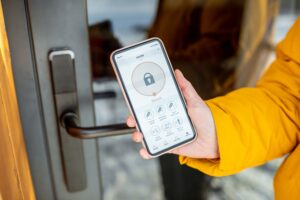
Smart locks and keyless entry systems are increasingly popular in NYC, especially for short-term rentals, offices, and high-end residential properties. Changing locks is usually required to install these systems, but once in place, access can often be managed digitally, reducing the need for frequent rekeys each time a code or user is removed.
Commercial buildings often rely on master-key systems, restricted keyways, and grade-rated hardware for fire and egress compliance, all of which require professional planning. In these systems, rekeying can be used strategically to adjust who can open which doors without replacing expensive commercial hardware every time staffing changes.
NYC Tenant and Landlord Rules Around Lock Changes
Lock decisions in New York are not only about security and budget; they also intersect with tenant–landlord law and NYC housing regulations. Understanding these basics helps tenants and landlords avoid unlawful lockouts and disputes.
Landlords Changing Locks
Under New York City’s Unlawful Eviction Law, a landlord who changes a resident’s locks and does not provide the tenant with a key may be violating the law. NYC emphasizes that renters who are tenants, lawful occupants of at least 30 days, or certain hotel residents with leases are protected against being locked out in this way.
More generally, New York guidance notes that landlords must obtain tenant permission for lock changes except in emergencies, and they must provide new keys if locks are changed as part of a lawful eviction or repair. If a landlord fails to maintain working, safe locks on entrance doors and apartment doors, this can also violate the Housing Maintenance Code and the landlord’s duty to keep the premises habitable.
Tenants Changing Locks
In many standard NYC leases, tenants are prohibited from changing locks without landlord consent, because the landlord needs access for emergencies and repairs. The NYC Department of Housing Preservation and Development (HPD) specifically notes that if a tenant changes their own locks, the law requires the tenant to give the landlord a copy of the key.
Tenant-rights summaries for New York also explain that tenants can request lock changes when there are genuine safety concerns, and landlords must respond within a reasonable time. However, tenants who change locks unilaterally and refuse to provide keys can create legal issues, so it is wise to consult the lease and communicate in writing before proceeding.
Common NYC Scenarios: Rekey or Change?
To make the rekeying vs changing locks decision more concrete, here are typical New York scenarios and how many locksmiths and property owners approach them.
-
You just moved into an apartment in Manhattan or Brooklyn: Rekeying the existing locks is usually recommended if the hardware is in good shape, since you do not know how many keys the previous tenant or building staff may have distributed.
-
Your keys were lost but you are confident they were not stolen with your address attached: Rekeying can quickly restore security without the higher cost of full replacement, especially for standard cylinders.
-
There was a break-in and the lock or door frame is damaged: Changing locks (and often reinforcing the door/strike) is important both for security and to meet landlord habitability duties.
-
You are upgrading to a smart lock on your condo or brownstone: Lock replacement is necessary because the new hardware is different; once installed, access changes can often be managed with codes rather than physical rekeys.
-
Your small business let a manager go who had keys to the store: Rekeying is typically the fastest, most cost-effective option, especially if many locks are keyed alike or part of a master-key system.
How a Professional NYC Locksmith Like Mr. Locks Helps
Because of NYC’s dense housing, complex building hardware, and legal nuances, using a professional locksmith is strongly recommended rather than attempting DIY changes. Professional locksmiths bring specialized tools, high-quality parts, and knowledge of local building standards and landlord–tenant expectations.
Mr. Locks, based in New York City, offers services that include high-security lock installation, key cutting, repair, and upgrading old locks with new Grade 1 or Grade 2 hardware from top brands. Alongside hardware upgrades, NYC locksmiths commonly provide residential and commercial rekeying, emergency lockout assistance, master-key system design, and smart lock installations across Manhattan, Brooklyn, Queens, the Bronx, and Staten Island.
For property owners and managers, partnering with a reputable locksmith makes it easier to create a consistent security plan—for example, rekeying at every tenant turnover, replacing aging hardware in stages, and ensuring building entrance locks meet self-closing and self-locking requirements.
A Simple Decision Framework for NYC Property Owners
When deciding between rekeying vs changing locks in New York City, a simple set of questions can guide you:
-
Is the lock itself in good condition?
-
If yes and your main concern is who has a key, rekeying is usually sufficient.
-
If the lock is old, flimsy, or damaged, replacement is safer.
-
-
Do you want better security or new features (high-security, keyless, smart)?
-
Upgrades typically require changing locks, not just rekeying.
-
-
What does your lease or building policy say?
-
Tenants generally cannot change locks without permission and must give the landlord a key if they do.
-
-
What is your budget and timeline?
-
Rekeying is usually faster and less expensive per lock, while replacement is a larger investment that may deliver long-term security benefits.
-
For readers in the New York area, the most efficient next step is to contact a licensed NYC locksmith such as Mr. Locks, describe your situation (move‑in, lost keys, break‑in, business staffing change, smart-lock upgrade), and request an on-site assessment and written quote. This ensures that both your security and legal obligations in NYC are handled correctly from the start.